

EpiPen at school in Canada: what the rules say, province by province
Who can carry epinephrine at school, where it's kept, and what staff are trained to do under Canadian provincial laws.
By ResQBand team · Fact-checked by Western Allergy Services Ltd., Canadian allergy company since 1972
· Updated October 12, 2026 · 3 min read
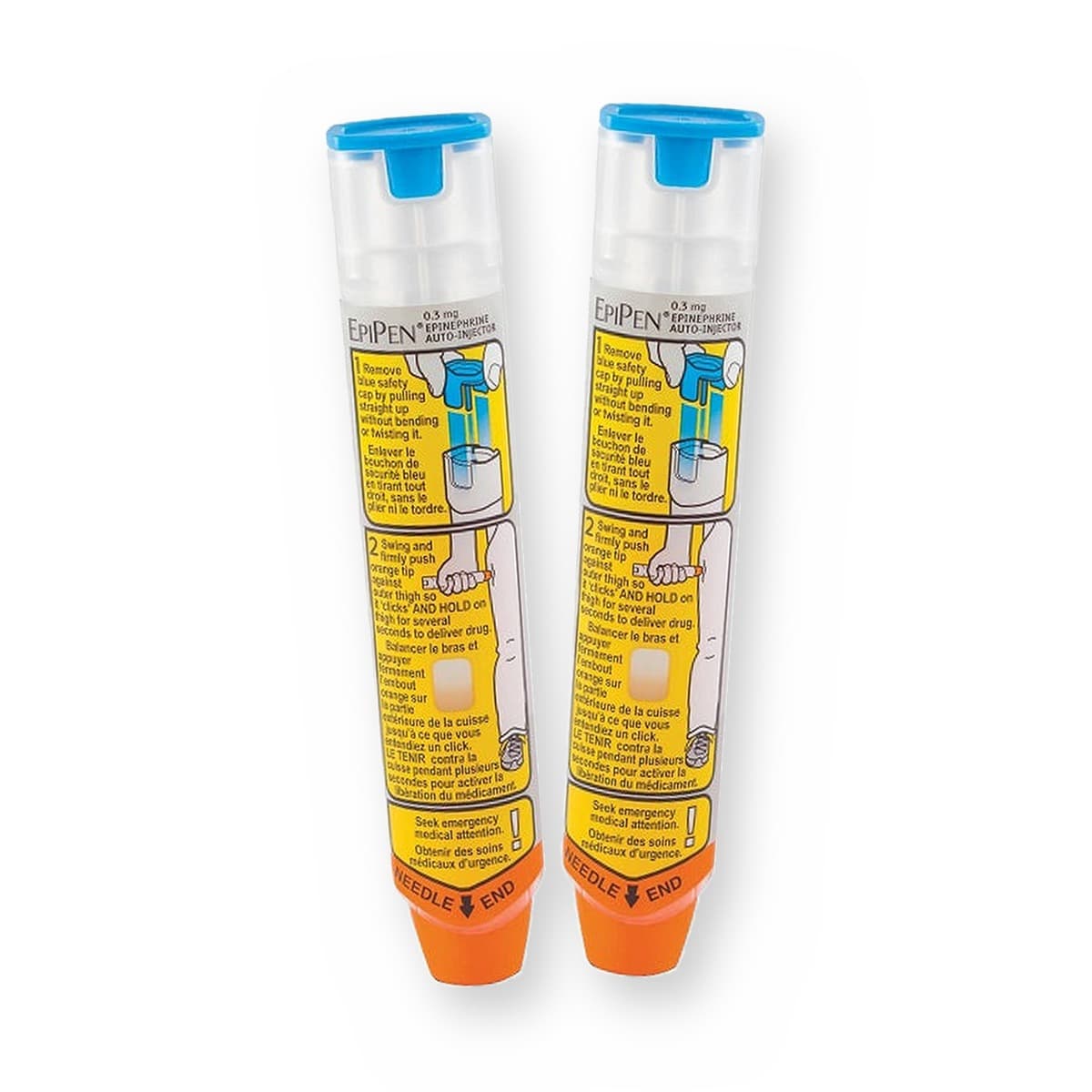
Anaphylaxis is a severe, potentially life-threatening allergic reaction that requires immediate medical intervention. For parents of children living with severe food, insect venom, or environmental allergies, navigating school health policies regarding an EpiPen at school in Canada is a critical step in ensuring student safety. Across Canadian provinces and territories, regulations, legal mandates, and school board protocols dictate how epinephrine auto-injectors are stored, who is authorized to administer them, and how emergency situations are handled during class, recess, and off-site excursions.
The Foundation of Anaphylaxis Policy: Sabrina’s Law
Ontario set a historical precedent in 2005 with the passage of Sabrina’s Law (An Act to Protect Anaphylactic Pupils). Named in memory of Sabrina Shannon—a 13-year-old student who tragically suffered a fatal anaphylactic reaction at school in 2003—this ground-breaking legislation made Ontario the first jurisdiction in the world to formally mandate comprehensive anaphylaxis protection across publicly funded schools.
Sabrina’s Law established core structural requirements that continue to influence policy across the country:
- Individual Plans of Care: Principals must ensure an individualized Anaphylaxis Plan of Care (or Anaphylaxis Action Plan) is established for every student diagnosed with a life-threatening allergy.
- Up-to-Date Medical Files: Schools must maintain detailed, accessible medical records and emergency contact details supplied by parents and physicians.
- Mandatory Staff Training: Teachers, administrators, support staff, and school bus drivers must undergo annual, mandatory training to recognize the early signs of allergic shock and safely administer epinephrine auto-injectors.
- Risk Reduction Protocols: Schools must enforce measures to minimize exposure to known allergens in classrooms, lunchrooms, and common facilities.
Provincial and Territorial Frameworks Across Canada
While Ontario relies on landmark legislation, other provinces have established their own legal statutes, ministry directives, or framework agreements to standardize allergy management in education:
- British Columbia: Operates under the Anaphylactic and Child Safety Framework, requiring all school boards to establish local policies aligned with provincial standards for risk reduction and emergency response.
- Alberta: Governed by provincial public health guidelines, Alberta made headlines as the first province to mandate that public schools carry "stock" (unassigned) epinephrine auto-injectors on-site for emergency use—even for individuals without a prior diagnosed history of severe allergies.
- Manitoba: Enacted The Public Schools Amendment Act (Anaphylaxis Policies), legally obligating all school divisions to maintain formal, enforceable anaphylaxis management plans.
- Quebec: Manages allergy protocols through local school board policies and daycare regulations, though provincial advocacy continues to push for comprehensive uniform legislation.
- Atlantic Canada: New Brunswick (Policy 704: Health Support Services), Nova Scotia (School Health Partnership protocols), Newfoundland and Labrador, and Prince Edward Island utilize provincial directives that mandate formal individual care plans and staff instruction on auto-injector devices.
For a detailed, complete breakdown of legislation, policies, and guidelines across every province and territory, you can review the Food Allergy Canada National School Policies Guide.
Who Can Carry an EpiPen at School?
In alignment with recommendations from allergists and pediatric healthcare organizations, Canadian school policies strongly advocate for age-appropriate "self-carrying."
- Self-Carrying by Students: Children who demonstrate the cognitive maturity to manage their auto-injector (typically around ages 6 to 8 or Grade 1) are encouraged to carry an EpiPen on their person at all times in a waist pack, pouch, or pocket.
- Backup Storage: Parents are almost universally required to provide a second, unexpired epinephrine auto-injector to be kept in an unlocked, easily accessible location—such as the principal’s office or classroom emergency kit. Auto-injectors must never be kept locked away under key.
- Identification Devices: Students are advised to wear clear medical identification products. Utilizing a ResQBand medical card or alert bracelet gives teachers, lunch monitors, and first responders instant, tap-and-scan access to the child's allergy profile and emergency contacts during a crisis.
Staff Training, Legal Protection, and Stock Epinephrine
Parents often worry about whether school personnel are legally permitted to administer medication during an anaphylactic event. Under provincial frameworks and Good Samaritan legislation across Canada, school staff acting in good faith during an emergency are fully protected from legal liability when administering epinephrine.
Staff members receive hands-on training using practice auto-injectors and online educational modules to recognize symptoms like breathing difficulty, facial swelling, or hives. When an allergic reaction is suspected, the protocol across all Canadian schools is clear and direct: administer epinephrine immediately, call 911, notify the parents, and prepare a secondary backup dose if symptoms persist after 5 to 15 minutes.
By fostering open communication between parents, school staff, and healthcare providers—and equipping students with reliable medical identification from ResQBand—families can feel confident that their children are protected throughout the school day.
Sources
- Sabrina's Law, 2005, S.O. 2005, c. 7, Ontario Gov (2005)
- National school policies, Food Allergy Canada (2026)
General information, not medical advice. Always follow the instructions that come with your medication and the advice of your pharmacist or doctor. In an emergency, call 911. Medical disclaimer · How we check our articles