

How to Manage Food Allergy Parent Anxiety
Managing food allergy parent anxiety is crucial for your child's well-being and your own. Learn how therapy, actionable planning, and smart safeguards can help you reclaim peace of mind.
By ResQBand team · Reviewed by Christian, Industry
· Updated October 4, 2026 · 6 min read
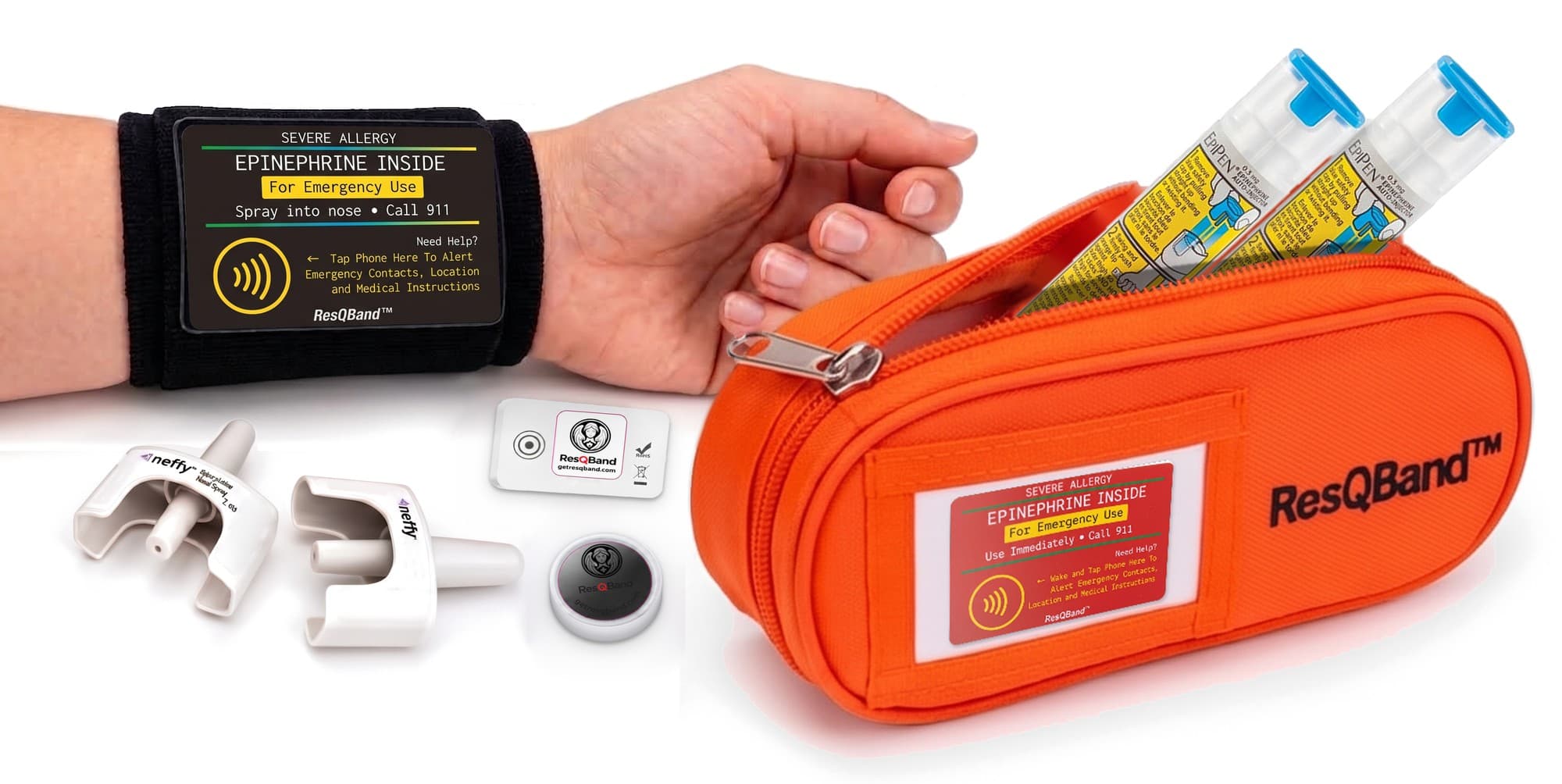
As professionals in the food allergy space, we hear countless stories from families navigating the complex world of severe allergies. One of the leading themes we encounter is the overwhelming anxiety parents experience regarding their child developing allergies and the grim reality of living with the constant threat of anaphylaxis. Often, standard medical care is entirely focused on the patient—mitigating and treating the physical condition. However, the psychological toll on the caregivers is immense. In many cases, food allergy parent anxiety can actually be greater than the anxiety felt by the child living with the condition.
If you are a parent feeling consumed by fear and stress over your child's food allergies, you are not alone. Constant vigilance can easily spiral into catastrophic thinking and panic attacks. Fortunately, there are proactive, evidence-based ways for parents to manage their fears, implement smart safety tools like the ResQBand Tap Card, and find hope in emerging treatments.
The Hidden Toll of Food Allergies on Parents
When a child is diagnosed with a severe, life-threatening food allergy—whether it is to peanuts, tree nuts, dairy, or shellfish—the entire family dynamic shifts. Suddenly, everyday activities like grocery shopping, attending birthday parties, going to school, or eating at a restaurant become potential minefields.
Parents take on the heavy burden of keeping their child safe. This requires reading every label, communicating with teachers and caregivers, and constantly carrying emergency medication like an EpiPen or a neffy nasal spray. While this hyper-vigilance is necessary to prevent accidental exposure, the constant activation of the body's "fight or flight" response takes a massive emotional toll.
Parents often experience:
- Sleep disturbances due to worry about allergic reactions.
- Social isolation, choosing to skip family gatherings or events centered around food.
- Intense panic or anxiety attacks when relinquishing control, such as dropping their child off at school.
- Decision fatigue from constantly assessing risk in everyday situations.
According to resources from Food Allergy Canada, acknowledging and responding to these emotions is a vital part of managing the allergy itself. Pretending the anxiety doesn't exist will only amplify it.
Managing Food Allergy Parent Anxiety Through Therapy
One of the most effective ways to manage severe allergy anxiety and prevent panic attacks is through professional counseling. Evidence-Based Therapy (EBT), specifically Cognitive Behavioral Therapy (CBT), has been proven highly successful in helping parents manage their distress and reduce anxiety.
How CBT Helps
A cognitive behavioral therapist helps parents identify and challenge irrational or catastrophizing thoughts. Instead of falling into a cycle of panic over the worst possible outcome, parents learn to rationally plan for emergencies.
Therapy allows parents to:
- Analyze triggers: Understand the specific social or environmental situations that cause the most anxiety (e.g., field trips or sleepovers).
- Visualize outcomes: Work through the potential outcomes of their deepest fears regarding accidental allergy exposure in a safe, controlled environment.
- Reframe thoughts: Shift from thinking, "My child is in constant danger," to "My child is at risk, but we have a solid emergency plan and the right tools to handle a reaction."
By mentally preparing for an anaphylactic event and actively processing these fears with a professional, parents can transform paralyzing anxiety into actionable preparedness.
Actionable Emergency Planning
Another key component to reducing anxiety is having a concrete plan. When you don't have the facts or a solid strategy, it is incredibly easy to worry and feel overwhelmed.
- Create a Written Action Plan: Work with your child's allergist to create a clear, step-by-step emergency action plan. Share this document with the child's school, babysitters, and extended family.
- Educate Caregivers: Don't assume others know how to recognize anaphylaxis. Teach them the signs—which can include hives, swelling of the lips or throat, vomiting, and difficulty breathing.
- Practice Using Auto-Injectors: Use trainer devices to practice administering epinephrine. Muscle memory can override panic during a real emergency.
Practical Mitigation with Smart Epinephrine Accessories
Having additional, tangible safeguards in place provides immense emotional support. When parents know they have a reliable backup system, the daily fear of the unknown shrinks significantly. Today, parents can mitigate risks by utilizing modern epinephrine accessories, such as those available through ResQBand.
The Forget-Me-Not Epi Tracker
A major source of parental anxiety is the lingering fear that the child (or the parent themselves) will accidentally leave their life-saving medication at home. The Forget-Me-Not Epi Tracker acts as a digital safety net.
If the child’s epinephrine is left behind, the tracker immediately notifies the parent's smartphone. Furthermore, it empowers the child to learn how to keep track of their own medication, building lifelong self-advocacy and independence without compromising safety.
The ResQBand Tap Card
Relinquishing control when a child is at school, with friends, or out in public can be terrifying for an anxious parent. What if they have a reaction and the adult in charge panics? What if a bystander doesn't know what to do?
The ResQBand Tap Card provides an essential layer of security by bridging the gap between a medical emergency and a good Samaritan. In an allergy event, anyone with a smartphone can tap the child's card. This action instantly notifies the child’s emergency contacts (including you).
More importantly, it provides the bystander with clear, on-the-spot support. It guides them through:
- How to correctly administer the specific medication the child carries.
- Prompting them to contact emergency services (911).
- Safely addressing the situation until professional help arrives.
Having this system in place means that even when you aren't physically present, your child is protected by a clear, accessible action plan. This knowledge alone can drastically reduce daily anxiety.
Empowering Your Child
It's crucial to remember that children pick up on their parents' emotions. If you are constantly projecting intense fear, your child may develop their own severe anxiety surrounding food.
To help ease both your worry and theirs, involve them in the management process:
- Teach them to read labels: As they get older, show them how to identify their specific allergens on ingredient lists.
- Practice self-advocacy: Role-play scenarios where they have to politely decline homemade treats or ask a waiter about how a dish is prepared.
- Keep conversations open: Let them know that it is okay to feel scared sometimes, but emphasize that they have the tools to stay safe. Avoid using terrifying language like "this food will kill you" and instead focus on "this food will make you very sick, so we avoid it".
Looking Ahead: Finding Hope in Novel Immunotherapy
Finally, finding hope in medical advancements is a powerful way to combat anxiety. The landscape of food allergy treatment is evolving rapidly.
From a next-step standpoint, parents should continue to work closely with medical professionals on traditional food allergy treatments, such as Oral Immunotherapy (OIT), to build a child's tolerance to allergens.
Additionally, parents can look into emerging, novel treatments like Toothpaste Immunotherapy (TPIT), also known as Oral Mucosal Immunotherapy (OMIT). By incorporating microscopic amounts of allergens into a daily teeth-brushing routine, these cutting-edge therapies aim to gradually desensitize the child's immune system. This offers a promising, needle-free path toward a safer future for the child—and significantly greater peace of mind for the parent.
Conclusion
Living with a child's severe food allergy is undeniably stressful, but food allergy parent anxiety does not have to rule your life. By seeking professional therapy like CBT, implementing comprehensive emergency action plans, and utilizing smart technology like the ResQBand ecosystem, you can transition from a state of fear into one of confident preparedness.
Take the first step today by connecting with an allergy-informed therapist, exploring support groups through organizations like Food Allergy Canada, and upgrading your emergency response toolkit. Your peace of mind is just as important as your child's physical safety.
Sources
- Managing food allergy can be stressful, learn how to manage feelings of anxiety., Food Alergy Canada (2026)
General information, not medical advice. Always follow the instructions that come with your medication and the advice of your pharmacist or doctor. In an emergency, call 911. Medical disclaimer